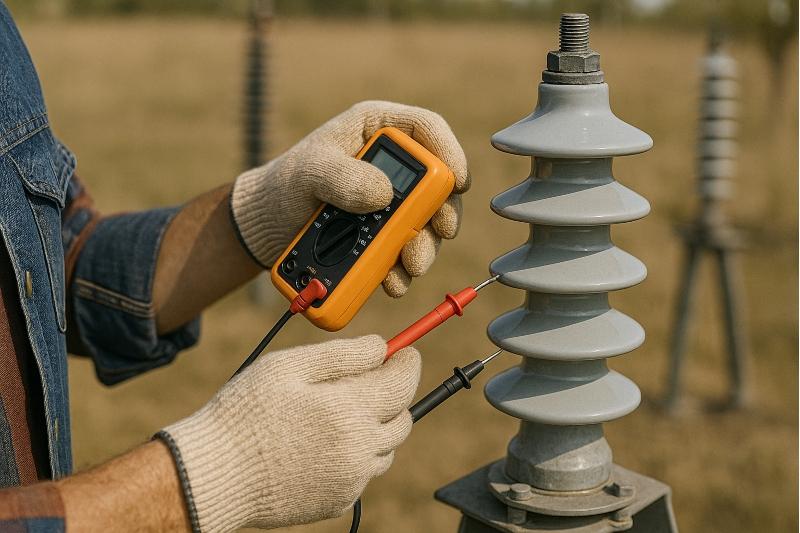
Importance of Preventive Maintenance in High Voltage Insulators
Preventive maintenance is crucial to extend the lifespan of high voltage insulators. These components are essential for ensuring the safety and efficiency in electricity transmission. Without proper maintenance, insulators may fail, which could lead to power outages and costly damage.
High voltage insulators are exposed to various environmental conditions that can affect their performance. Factors such as contamination, humidity, and temperature fluctuations can deteriorate the materials over time. Therefore, it is vital to implement a preventive maintenance program that addresses these challenges.
Effective preventive maintenance not only helps identify potential issues before they occur but also optimizes the performance of the insulators. This translates into greater reliability of the electrical system and reduced repair and replacement costs.
Additionally, preventive maintenance can include upgrading insulators with more advanced technologies, such as hybrid or silicone-coated insulators, which offer significant improvements in terms of durability and resistance to adverse conditions.
- Reduction of unexpected failures
- Optimization of system performance
- Extension of component lifespan
- Long-term cost reduction
Regular Visual Inspection and Cleaning
One of the most basic yet effective practices in the preventive maintenance of high voltage insulators is regular visual inspection. This technique allows for the detection of visible signs of wear or damage, such as cracks, discoloration, or the buildup of contaminants.
Regular cleaning is equally important, especially in areas with high industrial or saline contamination. The accumulation of dirt and contaminants can affect the insulating properties of the materials, increasing the risk of electrical failures.
There are different cleaning methods, such as pressure washing or the use of specific chemicals. The choice of the right method depends on the type of insulator and the level of contamination present.
It is crucial that the personnel responsible for cleaning are properly trained to avoid damage to the insulators during the process. Improper handling could cause more harm than good, compromising the integrity of the system.
- Early detection of damage
- Prevention of contaminant buildup
- Use of appropriate cleaning methods
- Training of maintenance personnel
Monitoring Environmental Conditions
Monitoring environmental conditions is an integral part of the preventive maintenance of high voltage insulators. Factors such as humidity, temperature, and contamination can significantly affect the performance of the insulators.
The use of sensors and real-time monitoring systems allows operators to identify changes in environmental conditions that could negatively impact the insulators. This facilitates the implementation of corrective measures before failures occur.
For example, in areas with high humidity, heating systems can be installed to reduce condensation on the insulators. In high contamination zones, more frequent cleaning schedules can be programmed to prevent particle buildup.
Environmental monitoring also helps to optimize maintenance programs, allowing adjustments based on real data instead of predefined time intervals.
- Identification of adverse conditions
- Implementation of corrective measures
- Data-driven maintenance optimization
- Risk reduction of failures
Electrical and Mechanical Testing
Electrical and mechanical testing is essential to assess the integrity of high voltage insulators. These tests allow for the detection of internal issues not visible to the naked eye, such as material defects or loose connections.
Electrical tests, such as insulation resistance measurement and partial discharge testing, help identify degradations in the insulating properties of the materials. These tests are crucial to ensure that the insulators can withstand the electrical stresses they are exposed to.
On the other hand, mechanical tests evaluate the physical strength of the insulators, ensuring they can withstand mechanical loads and extreme environmental conditions. This is especially important in areas prone to earthquakes or strong winds.
Regular performance of these tests allows operators to make informed decisions about the need for repairs or replacements, minimizing the risk of unexpected failures.
- Detection of internal defects
- Assessment of insulating properties
- Verification of mechanical strength
- Informed maintenance decisions
Upgrading and Modernizing Insulators
Upgrading and modernizing insulators is an effective strategy to improve their performance and extend their lifespan. With advancements in technology, new materials and designs have emerged that offer significant advantages over traditional insulators.
For example, hybrid and silicone-coated insulators are becoming increasingly popular due to their greater resistance to contamination and vandalism. These materials are also lighter, which facilitates their installation and maintenance.
Modernization can also include the implementation of smart monitoring systems that provide real-time data on the condition of the insulators. This allows for a quick response to any issues that may arise, improving system reliability.
Investing in the upgrading of insulators may seem costly initially, but in the long run, it reduces maintenance costs and enhances operational efficiency of the electrical system.
- Improvement of insulator performance
- Implementation of new technologies
- Long-term cost reduction
- Enhancement of operational efficiency
Staff Training and Awareness
Staff training and awareness is a key component of the preventive maintenance of high voltage insulators. A well-trained staff can identify and address potential issues before they become critical failures.
Training should include both theoretical and practical aspects, ensuring that staff understand the basic principles of insulator operation and the best maintenance practices. This includes the proper handling of tools and equipment as well as knowledge of safety procedures.
Moreover, raising awareness about the importance of preventive maintenance can foster a culture of responsibility and proactiveness among employees. This is crucial to ensure that proper procedures are followed and corrective actions are taken when necessary.
Investment in training not only improves maintenance efficiency but also reduces the risk of accidents and system failures, protecting both personnel and electrical infrastructure.
- Early problem identification
- Improvement of maintenance efficiency
- Fostering a culture of responsibility
- Risk reduction of accidents
The preventive maintenance of high voltage insulators is essential to ensure their performance and extend their lifespan. Through practices such as visual inspection, regular cleaning, environmental monitoring, electrical and mechanical testing, insulator modernization, and staff training, risks associated with unexpected failures can be mitigated. These strategies not only improve system reliability but also reduce long-term operating costs. Implementing a well-structured preventive maintenance program is an investment that offers significant benefits in terms of safety, efficiency, and sustainability.