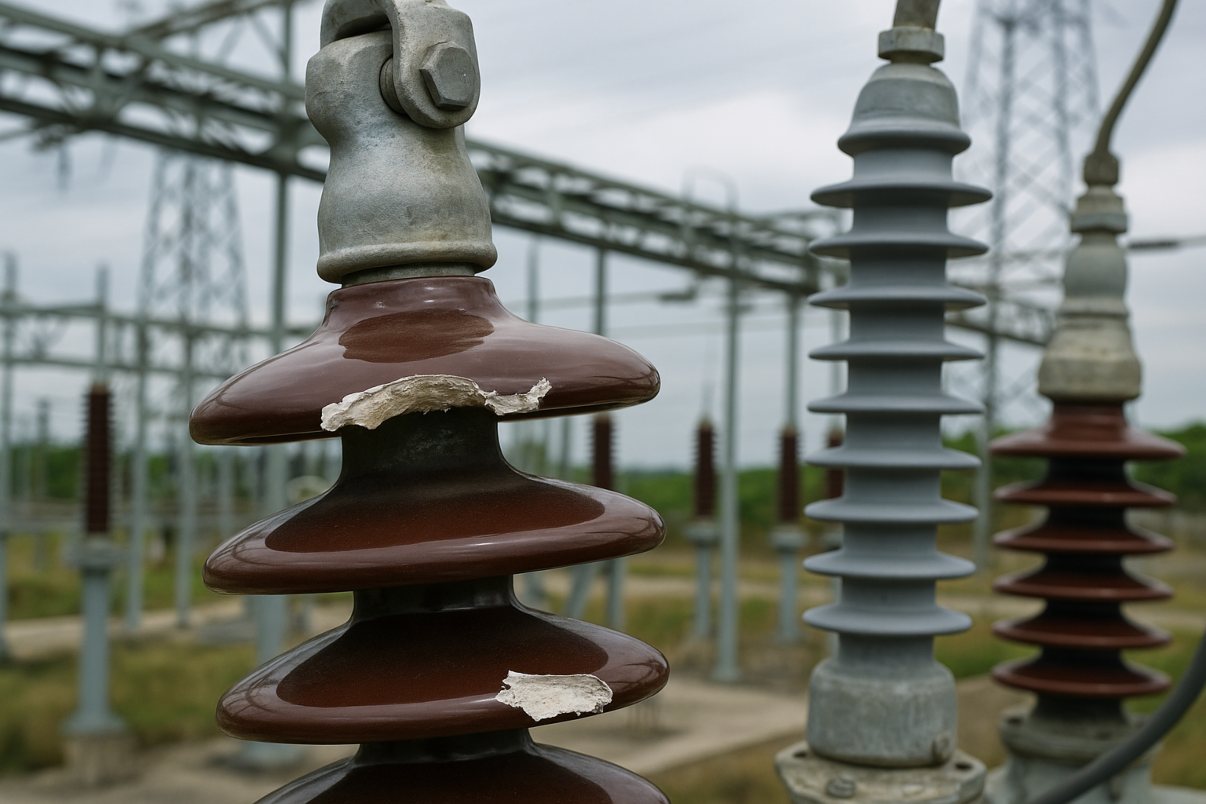
Types of Failures in Electrical Insulators
Electrical insulators are critical components in power transmission and distribution systems. However, they can experience various types of failures that affect their performance and safety. Understanding these failures is essential to prevent interruptions in the electrical supply and ensure the safety of installations.
One of the most common failures is contamination failure. This occurs when insulators accumulate dirt, dust, or salt, which can lead to surface discharges. These discharges can cause short circuits and, in extreme cases, fires.
Another type of failure is mechanical failure, which can be caused by factors such as strong winds, snow weight, or object impact. These factors can physically damage the insulators, compromising their ability to withstand electrical stress.
Thermal failures are also a concern. These occur when insulators overheat due to excessive electrical currents or extreme environmental conditions. Overheating can degrade the materials of the insulator, reducing its effectiveness.
Impact of Failures on Safety
Failures in insulators not only affect the efficiency of the electrical system but also represent a significant risk to safety. A defective insulator can cause dangerous electrical discharges that threaten human life and the integrity of installations.
- Interruptions in power supply
- Fire risk
- Damage to electrical equipment
- Danger to maintenance personnel
Contamination Failure and Its Effects
Contamination failure is one of the most frequent problems in electrical insulators, especially in industrial or coastal areas. The accumulation of contaminants on the insulator’s surface can create a conductive path for electricity, resulting in surface discharges.
These discharges can be dangerous as they may cause short circuits and, in extreme cases, fires. Furthermore, repeated discharges can damage the insulator’s surface, reducing its lifespan and increasing maintenance costs.
To mitigate such failures, it is crucial to implement a regular maintenance program that includes cleaning the insulators. Insulators with special coatings that repel dirt and water can also be used to reduce the risk of contamination.
Examples of Contamination
In coastal areas, air salinity can accelerate the accumulation of contaminants on insulators. In industrial zones, dust and chemical residues can have a similar effect. These factors must be considered when designing and maintaining electrical systems in these regions.
- Salinity in coastal areas
- Dust in desert areas
- Industrial residues in urban areas
- Smoke pollution in industrial areas
Mechanical Failure and Its Prevention
Mechanical failures in insulators can be caused by a variety of factors, including extreme weather conditions and physical damage. These failures can compromise the structural integrity of the insulator, which in turn affects its ability to withstand electrical stress.
Strong winds and the impact of flying objects are common causes of mechanical failures. Additionally, the weight of snow or ice can place additional stress on insulators, pushing them to their capacity limit.
To prevent these failures, it is important to select insulators that are suitable for the specific environmental conditions of each location. Furthermore, regular inspections should be performed to identify and repair any physical damage before it becomes a major problem.
Preventive Measures
Implementing preventive measures is crucial to minimize the risk of mechanical failures. This includes the use of resistant materials and designing systems that can withstand adverse weather conditions.
- Use of resistant materials
- Appropriate design for weather conditions
- Regular inspections
- Preventive maintenance
Thermal Failure and Its Impact
Thermal failure occurs when an insulator overheats, which can be the result of excessive electrical currents or extreme environmental conditions. This overheating can degrade the insulator’s materials, reducing its effectiveness and increasing the risk of failures.
Excessive heat can cause the expansion and contraction of the insulator’s materials, leading to cracks and other structural damage. These damages can compromise the insulator’s ability to function properly.
To mitigate the risk of thermal failures, it is important to use insulators that are designed to withstand the expected temperatures in their operating environment. Additionally, adequate cooling systems should be implemented to keep temperatures within a safe range.
Examples of Thermal Failures
In hot climates, insulators may be exposed to extreme temperatures for long periods, increasing the risk of thermal failures. In such cases, using heat-resistant materials and effective cooling systems is crucial.
- Prolonged sun exposure
- Excessive electrical currents
- Lack of cooling systems
- Inadequate materials for heat
Aging and Wear Failure
Over time, electrical insulators can experience aging and wear, affecting their performance and safety. This process is inevitable but can be managed adequately to prolong insulators’ lifespan.
Aging can be accelerated by factors such as exposure to extreme weather conditions, pollution, and mechanical stress. These factors can degrade the insulator’s materials, reducing their ability to function correctly.
To manage aging and wear, it is important to implement a proactive maintenance program that includes regular inspections and replacement of insulators when necessary. High-quality materials that are resistant to aging should also be used.
Management Strategies
Management strategies for aging and wear include the use of durable materials and the implementation of maintenance programs that identify and address issues before they become critical failures.
- Use of durable materials
- Regular inspections
- Proactive maintenance
- Timely replacement of insulators
Inadequate Design Failure
An inadequate design can be a significant cause of failures in electrical insulators. This may include incorrect material selection, ineffective support system design, or lack of consideration for environmental conditions.
Ineffective design can result in insulators that are unable to withstand the electrical or mechanical stresses they face. This can lead to premature failures and increase the risk of interruptions in the electrical supply.
To avoid inadequate design failures, it is crucial to conduct a thorough analysis of system needs and environmental conditions before selecting and designing insulators. Industry best practices and international standards should also be followed.
Design Considerations
Design considerations should include the selection of appropriate materials, effective support system design, and consideration of specific environmental conditions at each location.
- Selection of appropriate materials
- Design of effective support systems
- Consideration of environmental conditions
- Compliance with international standards
Failures in electrical insulators can have a significant impact on the safety and efficiency of electrical systems. Understanding the different types of failures, such as contamination failures, mechanical, thermal, aging, and inadequate design failures, is crucial for implementing effective prevention and mitigation strategies. By utilizing suitable materials, conducting regular inspections, and following industry best practices, the risk of failures can be minimized, ensuring the safety and reliability of electrical installations.