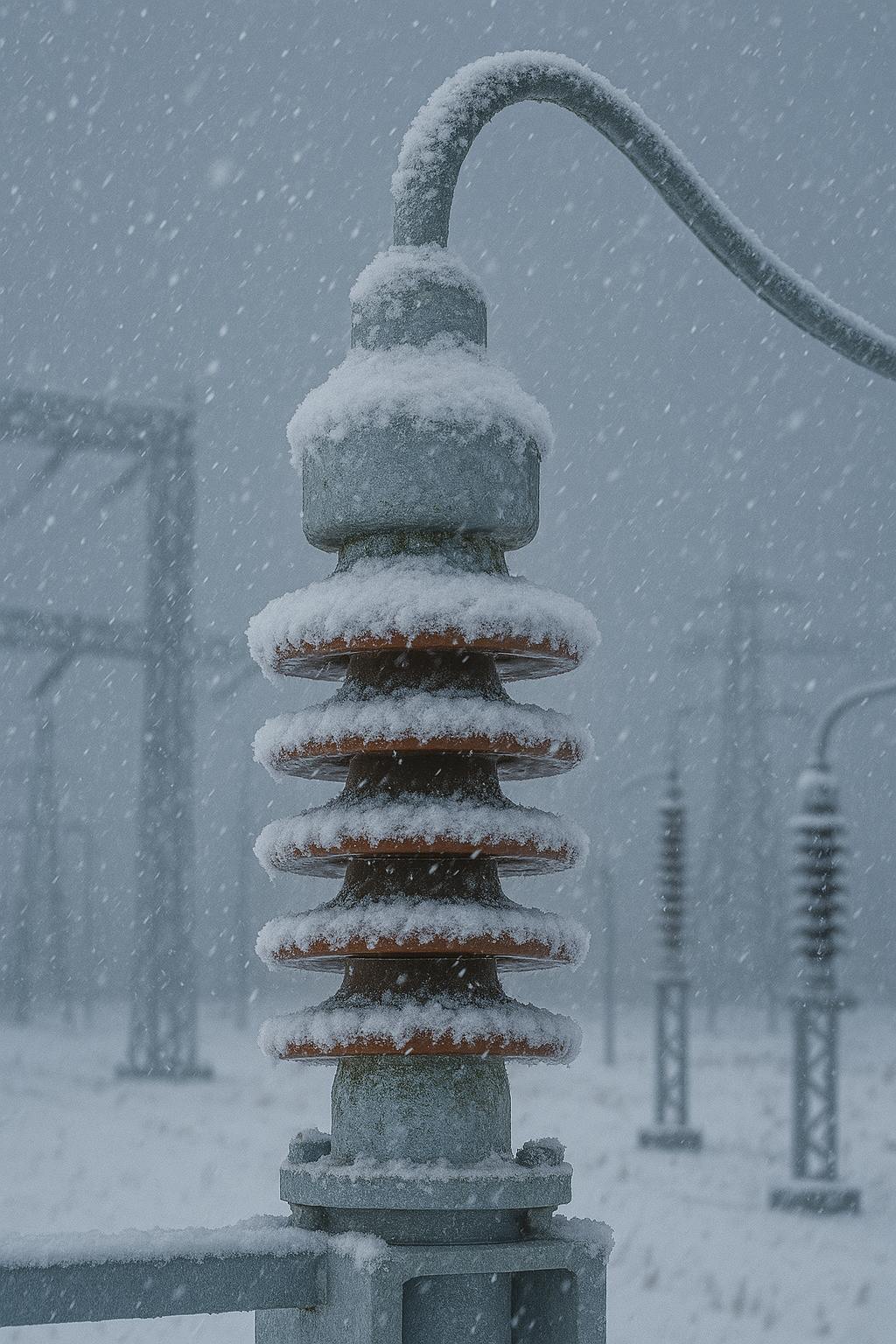
Importance of Insulator Design in Extreme Conditions
The design of electrical insulators is crucial for their ability to withstand extreme conditions. Such conditions may include extreme temperatures, high humidity, pollution, and exposure to corrosive elements. Appropriate design not only ensures the functionality of the insulator but also prolongs its lifespan.
Insulators must maintain their performance even in adverse situations. This is achieved through the use of advanced materials and innovative design techniques. For example, polymer insulators are known for their resistance to pollution and self-cleaning capabilities, making them ideal for challenging environments.
Additionally, the design must consider compatibility with other components of the electrical system. This includes the ability to withstand mechanical and electrical loads without compromising the safety or efficiency of the system. Poor design can lead to catastrophic failures, especially under extreme conditions.
The design of insulators is a key factor in their ability to operate under extreme conditions. The choice of materials, the shape and size of the insulator, and its integration into the system are essential aspects that must be carefully considered.
- Resistance to extreme temperatures
- Self-cleaning capability
- Compatibility with other components
- Support for mechanical and electrical loads
Materials Used in Insulators for Extreme Conditions
The materials used in the manufacture of insulators play a fundamental role in their ability to withstand extreme conditions. The most common materials include polymers, ceramics, and porcelain, each with its own advantages and disadvantages.
Polymer insulators are popular due to their lightweight and resistance to pollution. These materials are particularly useful in areas with high pollution or where regular maintenance is difficult. Moreover, their self-cleaning ability reduces the need for frequent interventions.
On the other hand, ceramic and porcelain insulators are known for their durability and resistance to high temperatures. These materials are ideal for applications requiring high mechanical and thermal resistance, such as in electrical substations and transmission lines.
The choice of the right material depends on the specific conditions of the environment and the requirements of the electrical system. Extensive testing is crucial to ensure the selected material can withstand the extreme conditions it will be exposed to.
- Polymers: Lightweight and self-cleaning
- Ceramics: Durability and thermal resistance
- Porcelain: High mechanical resistance
- Extensive testing for material selection
Impact of Climatic Conditions on Insulator Performance
Extreme climatic conditions can have a significant impact on insulator performance. Factors such as temperature, humidity, and UV radiation exposure can affect the functionality and lifespan of insulators.
High temperatures can cause the thermal expansion of materials, potentially leading to deformations or structural failures. Conversely, low temperatures can make materials brittle and prone to breakage.
Humidity is another critical factor that can affect insulator performance. Moisture accumulation can lead to the formation of electrical arcs, which can damage the insulator and compromise the safety of the electrical system.
Prolonged exposure to UV radiation can also degrade materials, especially in the case of polymer insulators. It is essential to use materials with UV protection to ensure long-term durability and performance.
- Impact of high and low temperatures
- Moisture accumulation and arc formation
- Degradation by UV radiation
- Use of materials with UV protection
Innovations in Insulator Design for Extreme Conditions
The insulator industry has seen numerous design innovations to enhance performance in extreme conditions. These innovations include the development of new materials, advanced manufacturing techniques, and optimized structural designs.
One of the most significant innovations is the use of hybrid insulators, which combine the advantages of different materials to improve performance. For example, a hybrid insulator may use a ceramic core for mechanical resistance and a polymer coating for pollution resistance.
Additionally, advanced manufacturing techniques, such as injection molding and 3D printing, have enabled the creation of more complex and efficient designs. These methods allow for greater precision and control over the properties of the insulator.
Optimized structural designs have also enhanced the ability of insulators to withstand mechanical and electrical loads. This includes the use of aerodynamic shapes to reduce pollutant accumulation and improve self-cleaning.
- Development of hybrid insulators
- Advanced manufacturing techniques
- Injection molding and 3D printing
- Optimized structural designs
Case Studies: Insulators in Extreme Conditions
Case studies provide concrete examples of how insulators have been designed and used to withstand extreme conditions. These examples highlight the importance of design and the selection of appropriate materials.
A notable case is the use of polymer insulators in regions with high industrial pollution. In these environments, traditional ceramic or porcelain insulators may require frequent maintenance due to contaminant buildup. However, polymer insulators have proven to be more effective due to their self-cleaning capability.
Another example is the use of hybrid insulators in areas prone to lightning storms. These insulators combine the mechanical resistance of ceramics with the pollution resistance of polymers, providing a more robust and reliable solution.
These case studies underscore the importance of adapting insulator design to specific environmental conditions. The right material choice and design can make the difference between success and failure in extreme conditions.
- Polymer insulators in polluted areas
- Hybrid insulators in lightning-prone areas
- Importance of environmental adaptation
- Success and failure in extreme conditions
Testing and Certifications for Insulators in Extreme Conditions
Testing and certifications are essential to ensure that insulators can withstand extreme conditions. These tests evaluate the mechanical, thermal, and electrical resistance of insulators, ensuring they meet international standards.
Mechanical tests include evaluating the insulator’s ability to withstand physical loads without deforming or breaking. This is especially important in areas prone to strong winds or earthquakes.
Thermal tests assess the insulator’s ability to resist extreme temperatures without losing functionality. This includes thermal shock tests to simulate abrupt temperature changes.
Electrical tests ensure that the insulator can handle high voltages without failing. This includes electrical arc tests and contamination resistance tests to ensure the safety and reliability of the electrical system.
- Mechanical testing for physical loads
- Thermal testing for extreme temperature resistance
- Electrical testing for high voltage handling
- International certifications
The design of insulators is a critical aspect of their performance in extreme conditions. The choice of suitable materials, the use of design innovations, and the conduction of thorough testing are essential for ensuring their effectiveness and durability. Case studies show how polymer and hybrid insulators have improved performance in challenging environments. Testing and certifications ensure insulators meet international standards, providing safety and reliability in industrial and electrical applications. Ultimately, a well-considered design can make the difference in an insulator’s ability to withstand extreme conditions.