Polymeric Materials in Extreme Conditions
Polymeric materials are widely used in industrial applications due to their unique properties. In extreme conditions, such as high temperatures or corrosive environments, these materials offer significant advantages. Their corrosion resistance and ability to maintain structural integrity make them ideal for various applications.
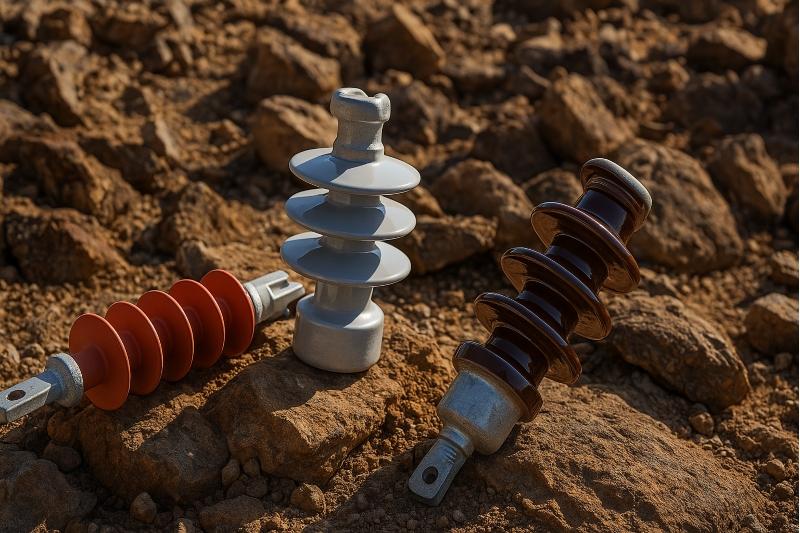
A notable example is the use of polymeric insulators in electrical systems. These insulators are known for their hydrophobicity and self-cleaning properties, making them suitable for highly polluted environments. In addition, their lightweight and resistance to vandalism make them a preferred choice in many facilities.
In the transportation industry, polymeric materials are used to manufacture components for railways and catenaries. Their ability to withstand vibrations and extreme temperature changes is crucial for the safe and efficient operation of railway systems.
Advantages of Polymeric Materials
- Corrosion resistance: They do not rust or degrade easily in hostile environments.
- Lightweight: Facilitate installation and reduce the overall weight of structures.
- Self-cleaning properties: Maintain performance in highly polluted conditions.
- Durability: Provide a long service life even in adverse conditions.
Ceramics and Porcelain: Durability and Strength
Ceramic and porcelain materials are known for their durability and strength in extreme conditions. These materials are widely used in electrical applications due to their ability to withstand high temperatures and their abrasion resistance.
In the context of electrical insulators, ceramics and porcelain are preferred materials for their ability to maintain structural stability under high-voltage conditions. Their use in electrical substations and transmission lines is common due to these properties.
In addition, these materials are resistant to weather changes, making them ideal for outdoor applications. Their ability to withstand prolonged exposure to sunlight, rain, and wind without degrading is a significant advantage.
Properties of Ceramics and Porcelain
- High thermal resistance: Can withstand extreme temperatures without losing their properties.
- Abrasion resistance: Do not wear easily, extending their service life.
- Structural stability: Maintain their shape and functionality under pressure.
- Resistance to the elements: Not affected by exposure to adverse weather conditions.
Refractory Metals: Withstanding Extreme Heat
Refractory metals are materials capable of withstanding extremely high temperatures without losing their structural integrity. These metals, such as tungsten and molybdenum, are essential in applications where extreme heat is a critical factor.
In the aerospace industry, refractory metals are used to manufacture aircraft and rocket engine components. Their high heat resistance and ability to maintain structural stability under extreme conditions are crucial for performance and safety.
In addition, these metals are corrosion-resistant, making them suitable for applications in hostile environments. Their use in the chemical and petrochemical industries is common due to these properties.
Characteristics of Refractory Metals
- High heat resistance: Can withstand extreme temperatures without deforming.
- Corrosion resistance: Do not degrade easily in aggressive chemical environments.
- Structural stability: Maintain their shape and functionality under extreme pressure.
- Long service life: Provide durability in demanding applications.
Fiberglass Composites: Lightness and Strength
Fiberglass composites are materials that combine lightness with high strength, making them ideal for applications in extreme conditions. These composites are widely used in the automotive and construction industries due to their unique properties.
In the manufacture of automotive components, fiberglass composites offer a combination of lightness and strength that improves fuel efficiency and safety. Their ability to absorb impacts and resist corrosion is a significant advantage.
In the construction industry, these composites are used to manufacture structures and panels that must withstand adverse weather conditions. Their resistance to moisture and fire makes them ideal for outdoor applications.
Benefits of Fiberglass Composites
- Lightweight: Facilitate the transport and installation of components.
- High strength: Can withstand heavy loads and extreme conditions.
- Corrosion resistance: Do not degrade easily in humid or corrosive environments.
- Versatility: Can be molded into various shapes and sizes for different applications.
Composite Materials: Innovation in Durability
Composite materials represent a significant innovation in the field of durability under extreme conditions. These materials combine the properties of different components to create solutions that surpass the limitations of traditional materials.
In the aerospace industry, composite materials are used to manufacture aircraft structures due to their lightness and strength. Their ability to withstand vibrations and extreme temperature changes is crucial for performance and safety.
In addition, these materials are corrosion-resistant, making them suitable for applications in hostile environments. Their use in the marine and wind energy industries is common due to these properties.
Advantages of Composite Materials
- Combination of properties: Offer a mix of strength, lightness, and durability.
- Corrosion resistance: Do not degrade easily in hostile environments.
- Versatility: Can be designed to meet specific performance requirements.
- Long service life: Provide durability in demanding applications.
Advanced Materials: The Future of Durability
Advanced materials are revolutionizing the way we approach durability in extreme conditions. These materials, which include advanced alloys and nanomaterials, offer unique properties that surpass the capabilities of traditional materials.
In the energy industry, advanced materials are used to manufacture wind turbines and solar panels. Their ability to withstand extreme weather conditions and their energy efficiency are crucial for performance and sustainability.
In addition, these materials are corrosion-resistant, making them suitable for applications in hostile environments. Their use in the oil and gas industry is common due to these properties.
Characteristics of Advanced Materials
- Unique properties: Offer capabilities that surpass those of traditional materials.
- Corrosion resistance: Do not degrade easily in hostile environments.
- Energy efficiency: Improve the performance of energy applications.
- Sustainability: Contribute to reducing environmental impact.
In the analysis of the most durable materials under extreme conditions, polymeric materials, ceramics, refractory metals, fiberglass composites, composite materials, and advanced materials stand out. Each offers unique properties that make them suitable for specific applications, from the aerospace industry to renewable energy. The choice of the right material depends on the specific conditions and performance requirements of each application, thus ensuring durability and efficiency in challenging environments.